Forage Collection
Spring mushrooms give you three to five per harvest. Over two weeks you'll gather around forty. The herbalist pays twelve gold each, but only if the supply isn't already flooded. Scarcity cuts both ways.
Supply chains, seasonal price swings, and NPCs you actually care about.
You've seen mushroom prices jump in autumn in Stardew Valley. You've noticed the blacksmith won't take ore unless it's the right day. This section breaks down where those systems come from. How they work. Why they matter. The way someone who runs a shop would explain it to you. No padding. just the systems that make trading posts feel real.
So you're out foraging mushrooms in spring and the herbalist will take them off your hands for about 12 gold per bundle. But if you dump your whole haul at once? Price tanks to 8. The system's watching what you do.
Winter shuts down entire categories of goods. Rare pelts disappear. Shelves at the trading post go bare. You have to think way ahead—planning through autumn to stockpile everything you'll actually need when snow arrives, which it inevitably does.
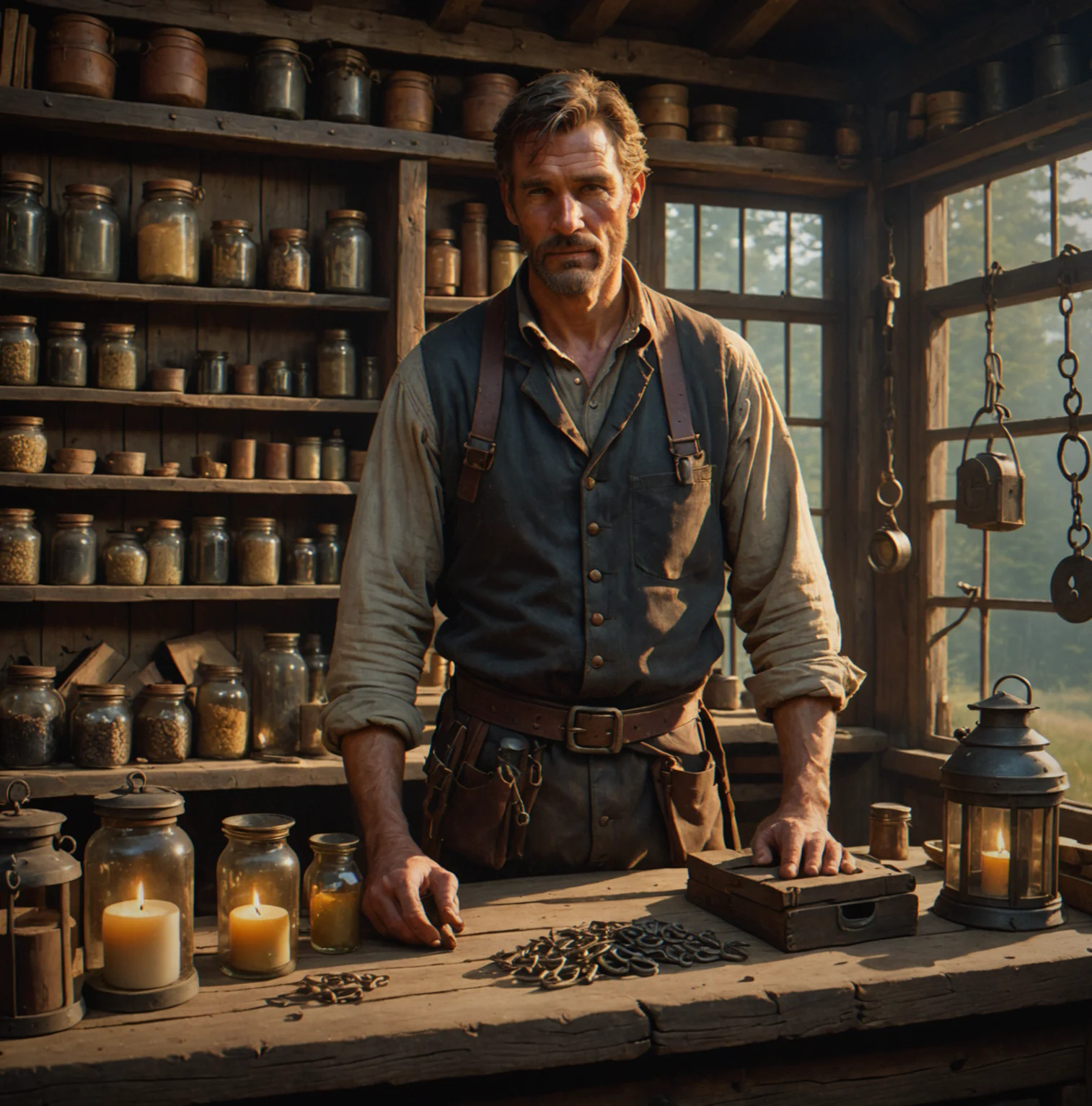
Make a few trades with the blacksmith and their second inventory tier unlocks. Keep going—maybe five more transactions—and they'll start accepting lower-grade ore. This isn't just window dressing. Relationships actually control what you can access.
Mushrooms dip roughly a fifth in value after the first week of spring hits. Medicinal herbs jump up nearly half again once autumn turns cold. You start noticing these patterns not because someone explains them, but because you watch what actually moves.
Your pack holds 15 items. You've found 20 worth taking. Do you move those mushrooms today or hold them for the winter buyer who'll pay triple the going rate? That constraint forces you to actually decide what matters.
Some games build in consequences for where items come from—sustainable harvesting versus overhunting the land. The herbalist pays better for mushrooms gathered with care. The money side matters less than what your choices actually say.
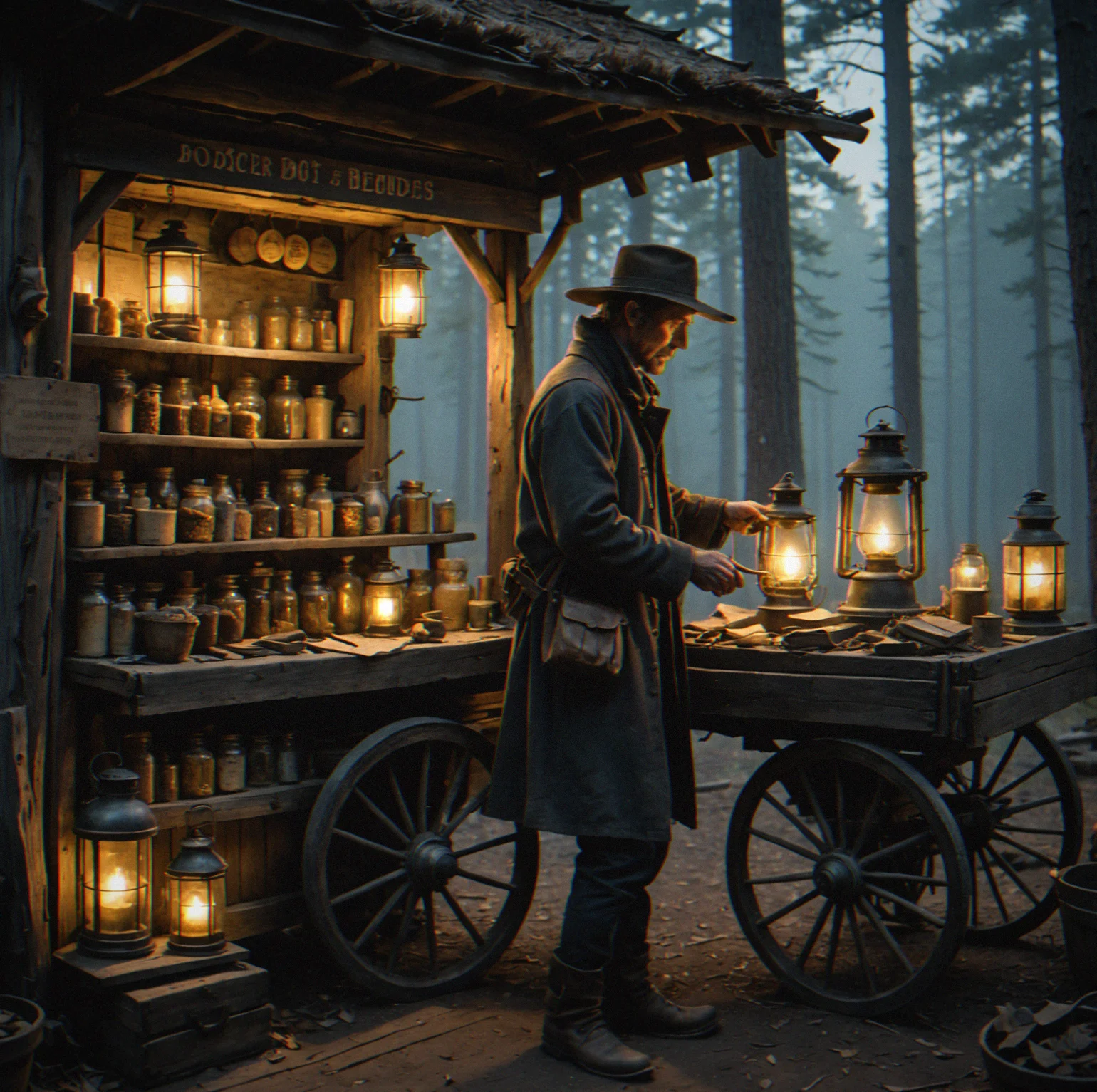
A few months in the autumn dusk brings a forest merchant who only appears that season. They stock items nobody else has. Turns out the world rewards people who explore and wait around long enough to find its secrets.
Once you've figured out the rhythm you can start planning precisely. Eighteen days to harvest. Six more to trade. Four lost to weather delays. The real payoff isn't beating anyone—it's watching your plan unfold exactly the way you drew it up.
Each season has its own patterns. Spring mushrooms peak early. Autumn pelts stay valuable for three weeks, then the price tanks. Knowing when to harvest and when to sit on stock actually matters. We map out the real timelines.
The herbalist opens up a second inventory tier at relationship level 5. The blacksmith wants ore, not minerals—small distinction but it changes things. These systems feed into each other too. Understanding how one NPC gates access to another's goods shifts your whole approach.
Playing a trading post game and actually mastering it are different things—most people hit that wall around hour 20. We show you the fast routes: which three trades get you to tier 2 quickest, how to stock up before winter without burning through inventory space.
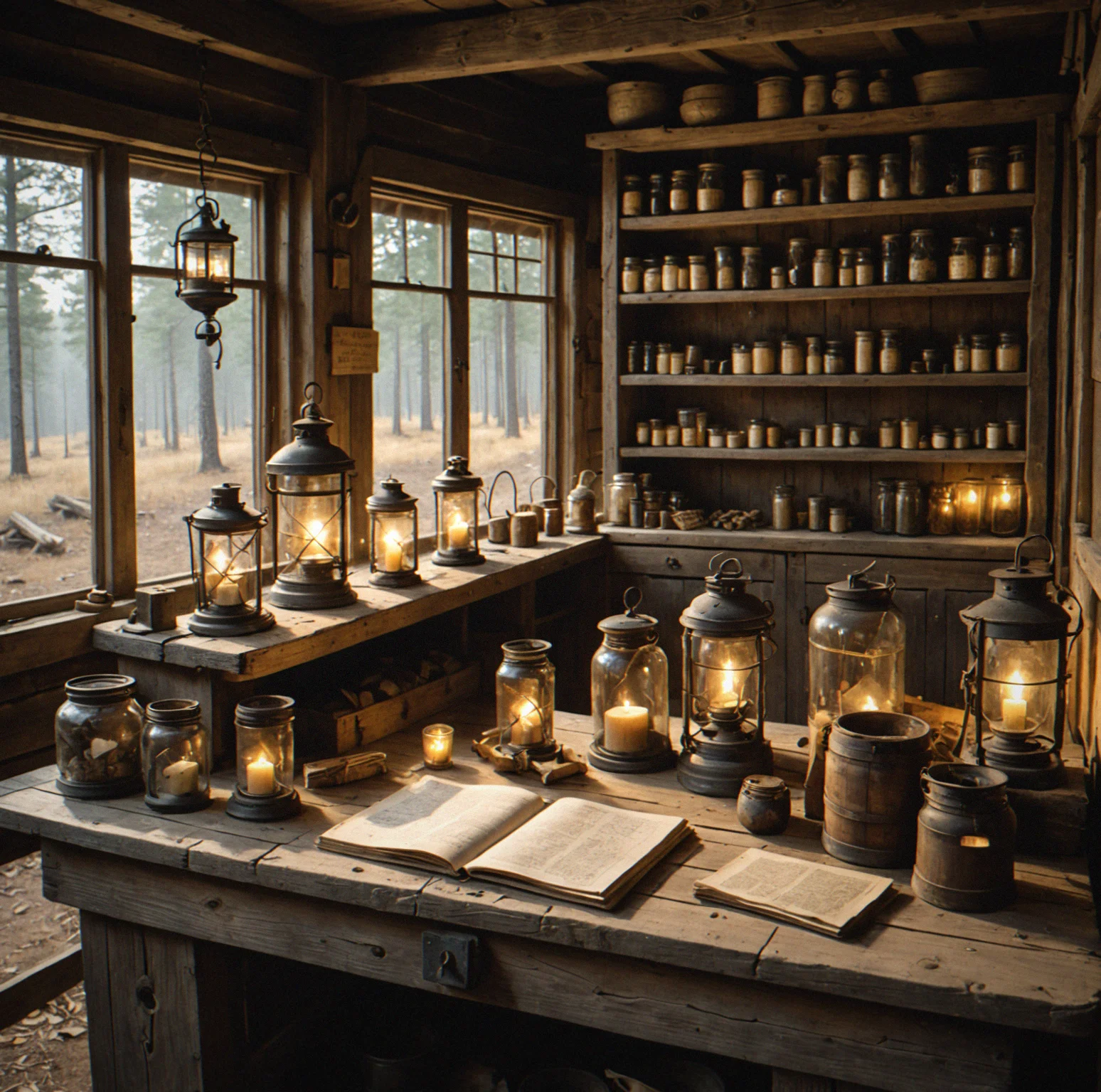
The forest merchant shows up during autumn dusk, nowhere else. Rare pelts lose value if you dump more than a handful at once. These aren't glitches. They're intentional design that rewards you for paying attention and being patient.
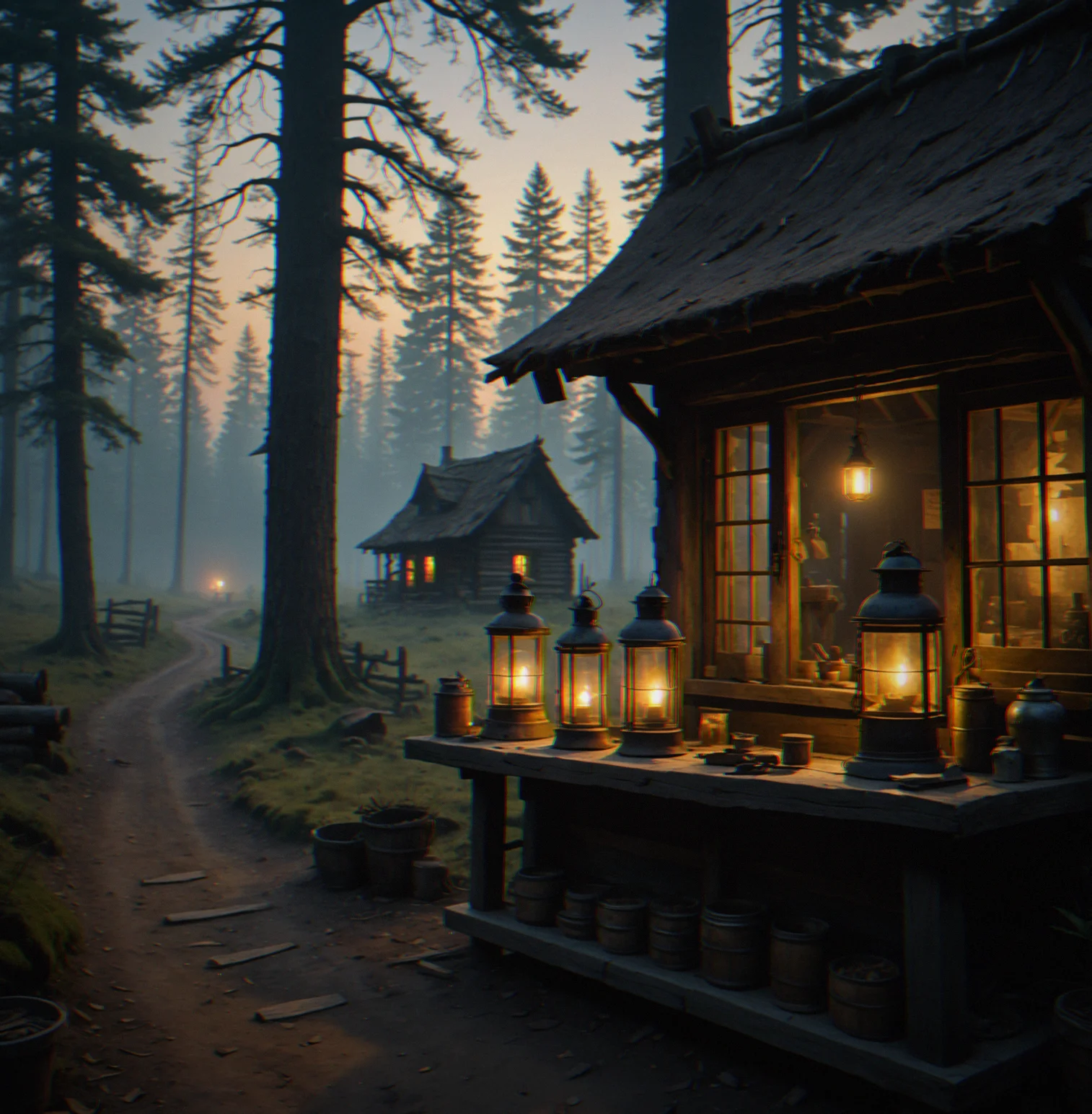
Everything you need to understand how these systems actually function.
Spring mushrooms give you three to five per harvest. Over two weeks you'll gather around forty. The herbalist pays twelve gold each, but only if the supply isn't already flooded. Scarcity cuts both ways.
Trade with an NPC five times and their inventory expands. Hit fifteen trades and rare items sgart showing up. Access gates behind your relationship with them, not behind coins or levels.
Rare pelts worth forty-five gold in autumn drop to twenty by late winter. Medicinal herbs jump up as cold arrives. Knowinng how to read these curves is what separates people who plan ahead from everyone else.
You can carry twelve items. You've found eighteen worth keeping. Do you take the mushrooms now or wait for the winter buyer who pays three times as much? Every choice has to matter because space doesn't.
Forage mushrooms carefully and the herbalist pays more. Burn through the forest and prices drop, then slowly bounce back as you respect the land again. Some games reward the careful approahc over the greedy one.
The forest merchant only appears in autumn dusk near the old mill. They carry stuff no one else has. You find them by exploring, not by following a guide, and that's what makes the world feel real.
Mushrooms go to the herbalist for potions. Potions trade to the healer for rare ingredients. Those ingredients unlock the alchemist's inventory. One chain connects three NPCs across four weeks. Go deeper and the payoff gets better.
The mechanics that make trading posts feel real.
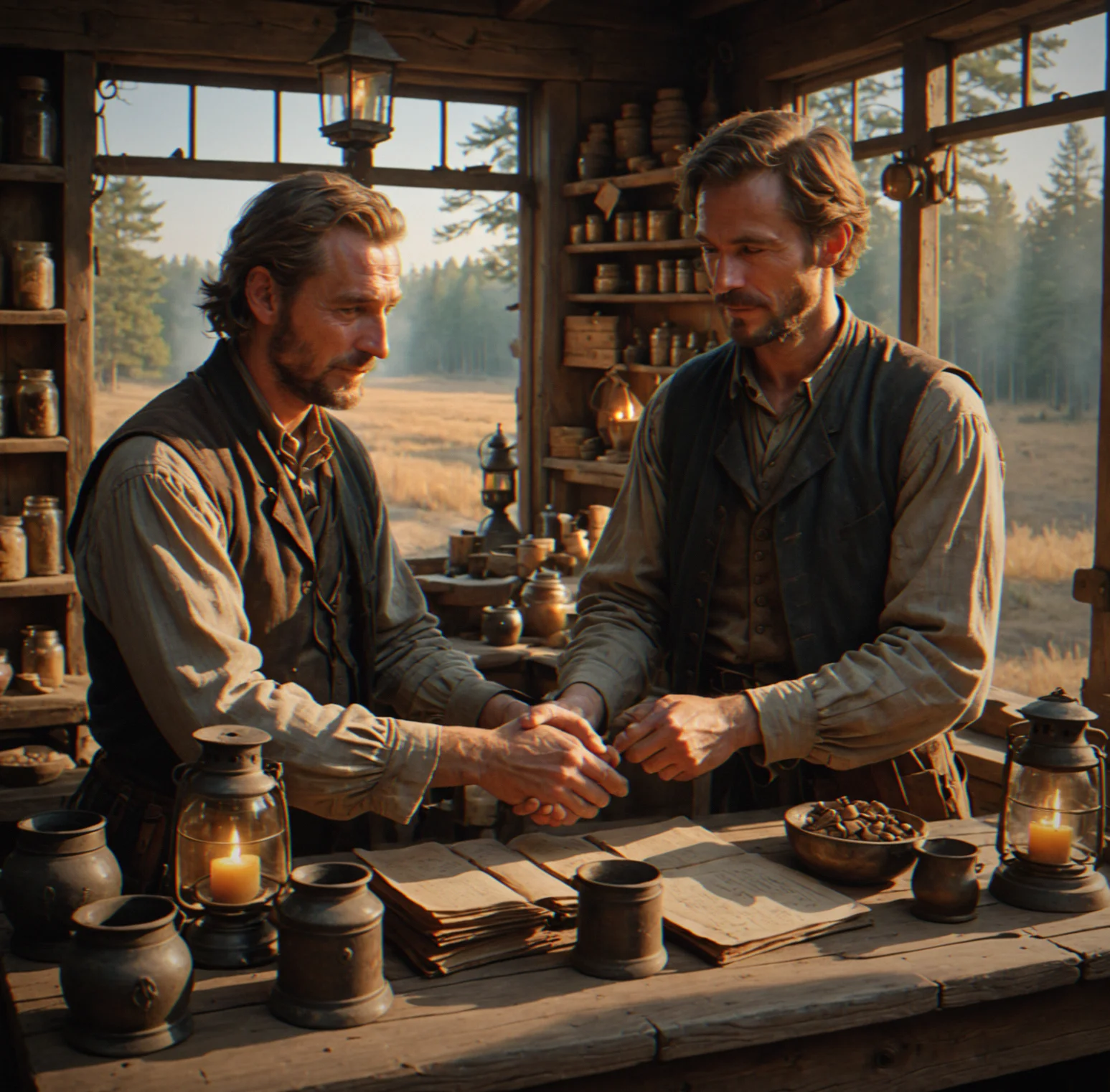
Trade with the blacksmith ten times and they unlock a second inventory tier. Keep going—hit 25 trades and they'll start taking lower-grade ore that everyone else turns down. What you've done with them before determines what they're willing to buy. The relationship isn't just flavor text. It actually changes how the system works.
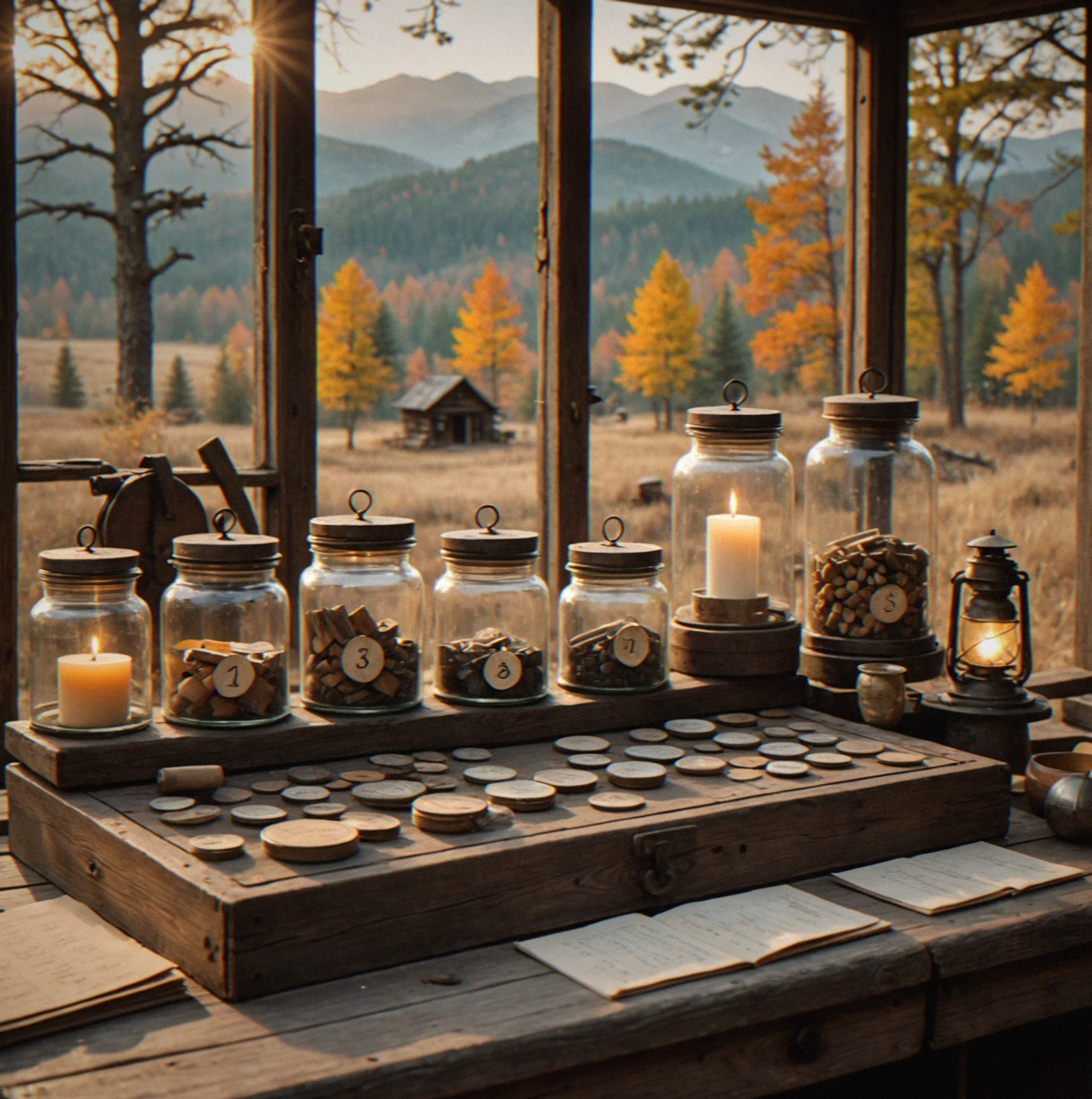
Rare pelts only show up in autumn. Three weeks, then they're gone. Miss it and you're waiting nine months for them to come back. Medicinal herbs get expensive as winter closes in—they're worth a lot in late October but cheap by February. The forest has its own calendar and you have to follow it.
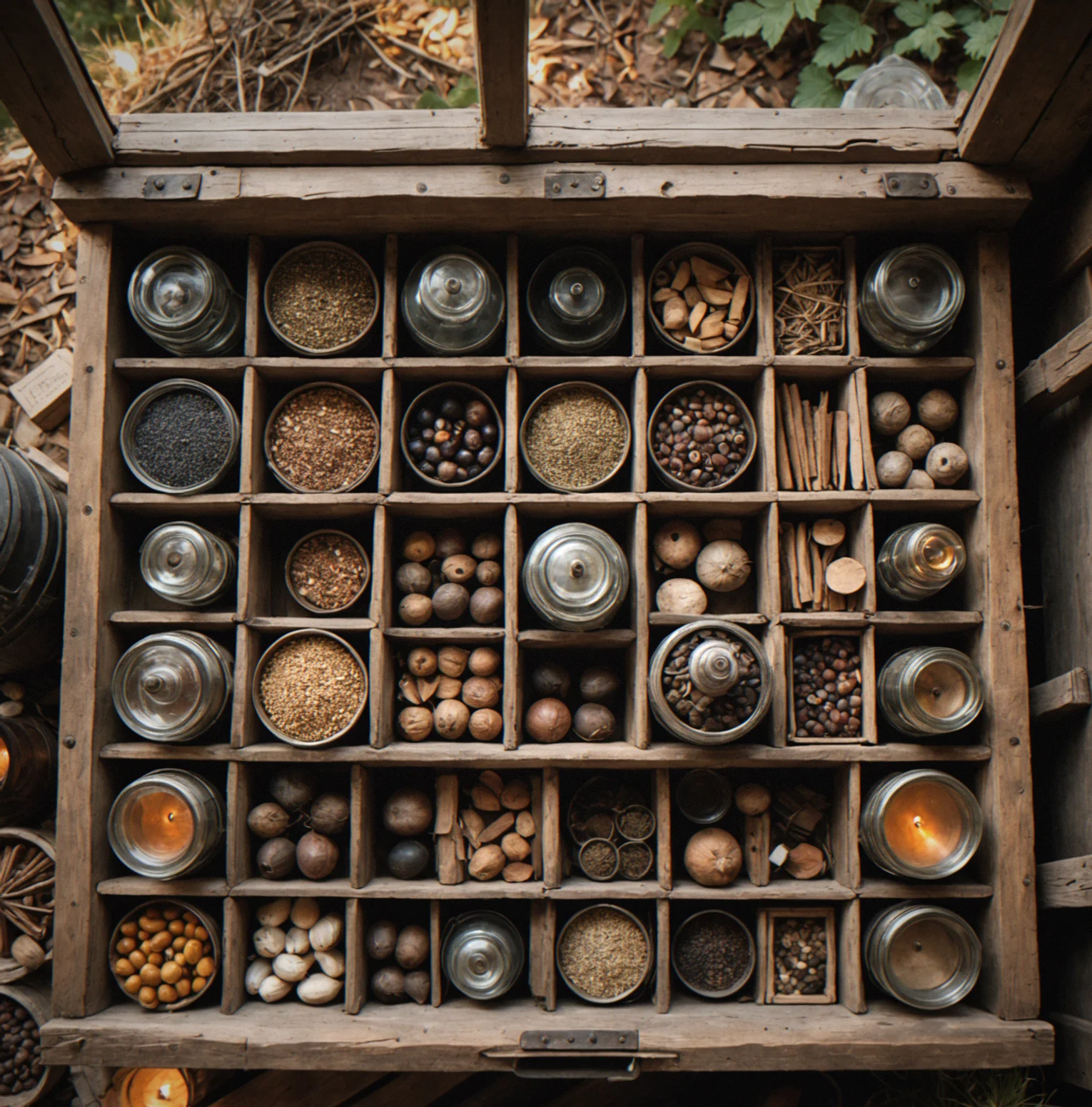
You get twelve slots. You've found eighteen things worth carrying. That gap is where the real decision-making happens. Stock up on mushrooms for winter or grab the rare pelts right now? The limit isn't annoying. It's the actual game.
What's actually going on under the hood in trading post games.
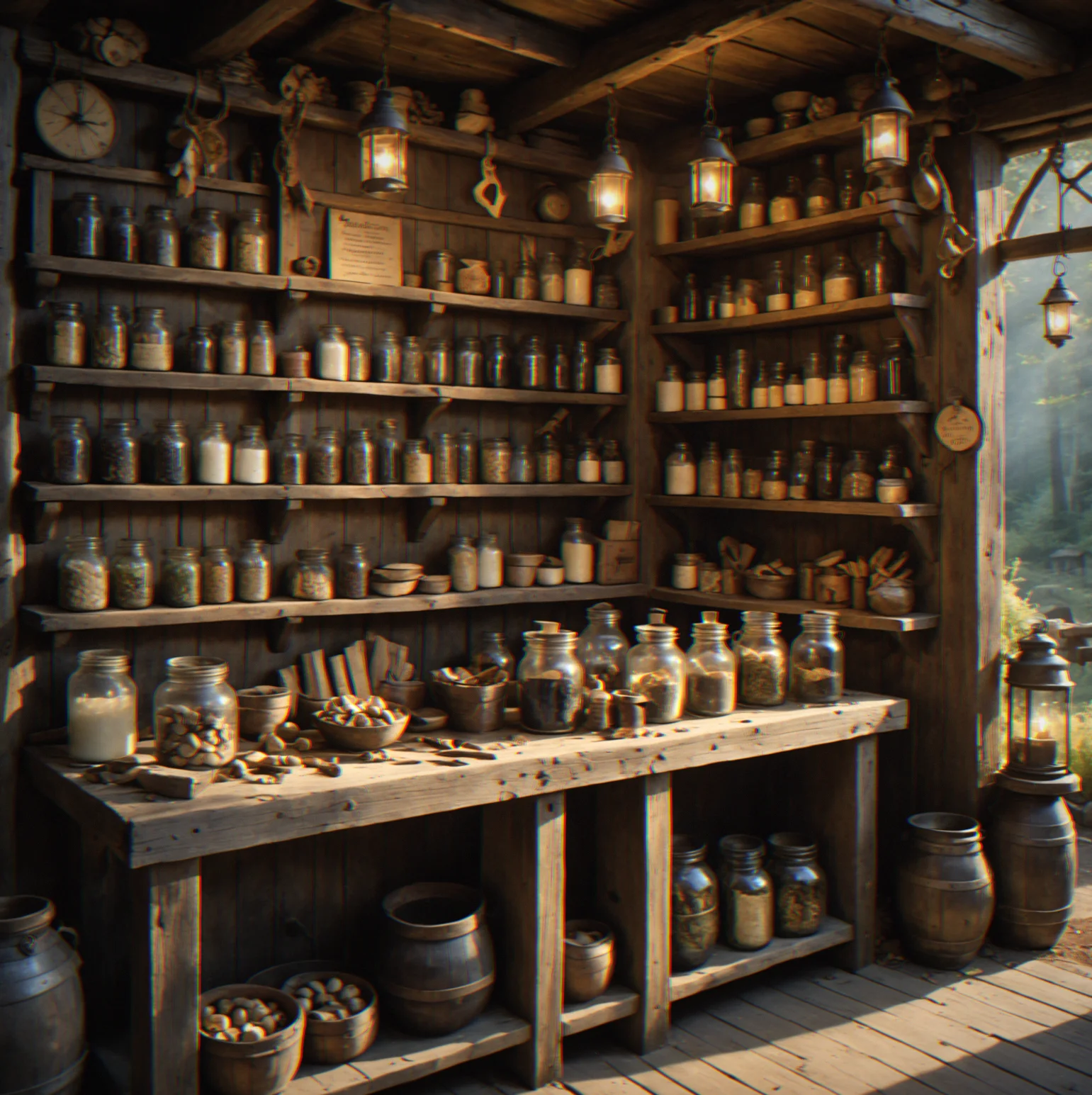
You take mushrooms to the herbalist. She makes potions. Those potions go to the healer in exchange for rare ingredients that unlock the alchemist's whole inventory. One chain like that connects three NPCs and spans about four weeks of play. The more you trace these connections, the more you realize where the real money is.
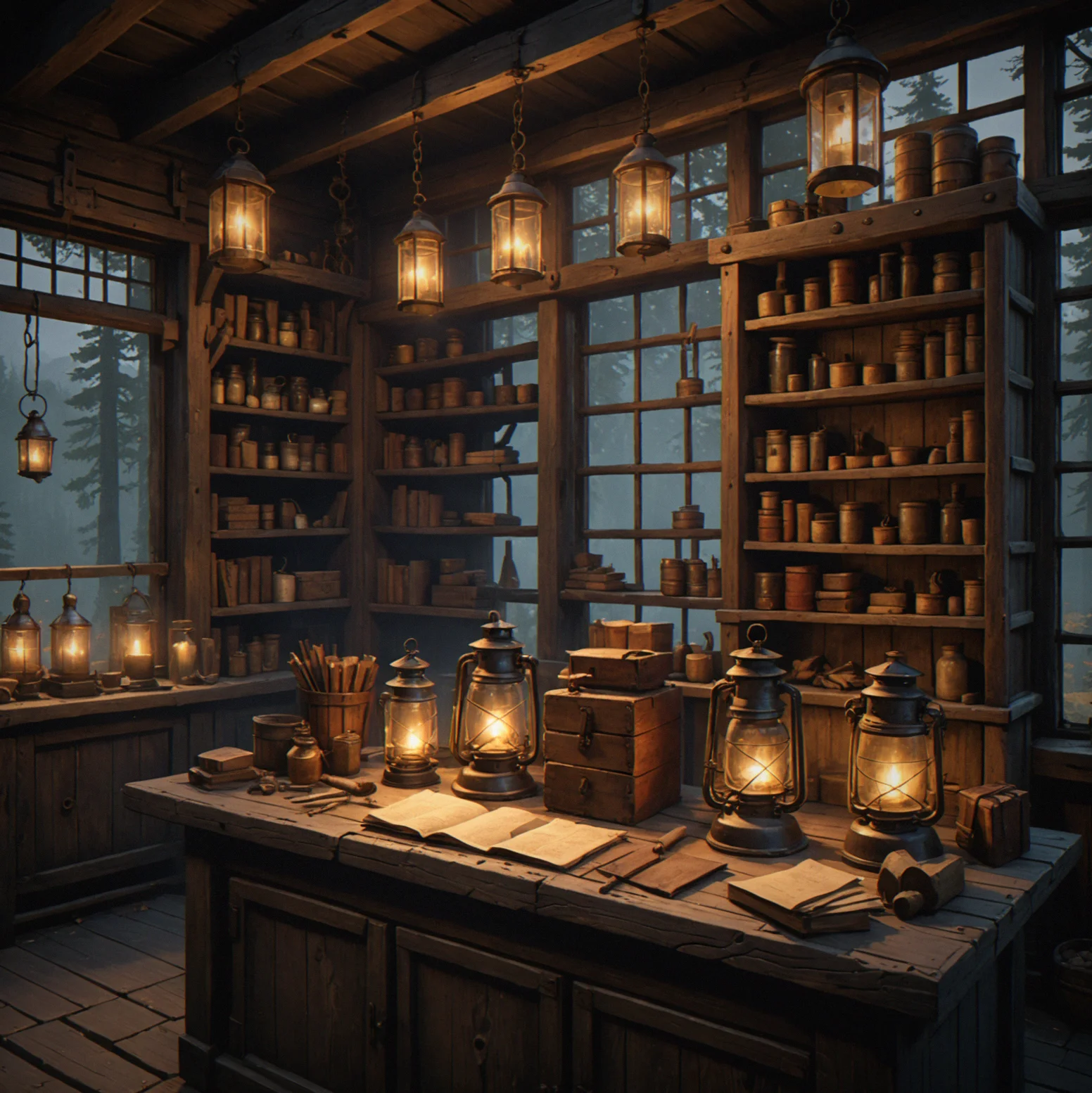
Hit five trades with someone and their inventory gets bigger. Keep going to around fifteen and suddenly rare items start showing up. The blacksmith flat out refuses low-grade ore until you've proven yourself. It's a hard gate—better goods only unlock once you've built the relationship.
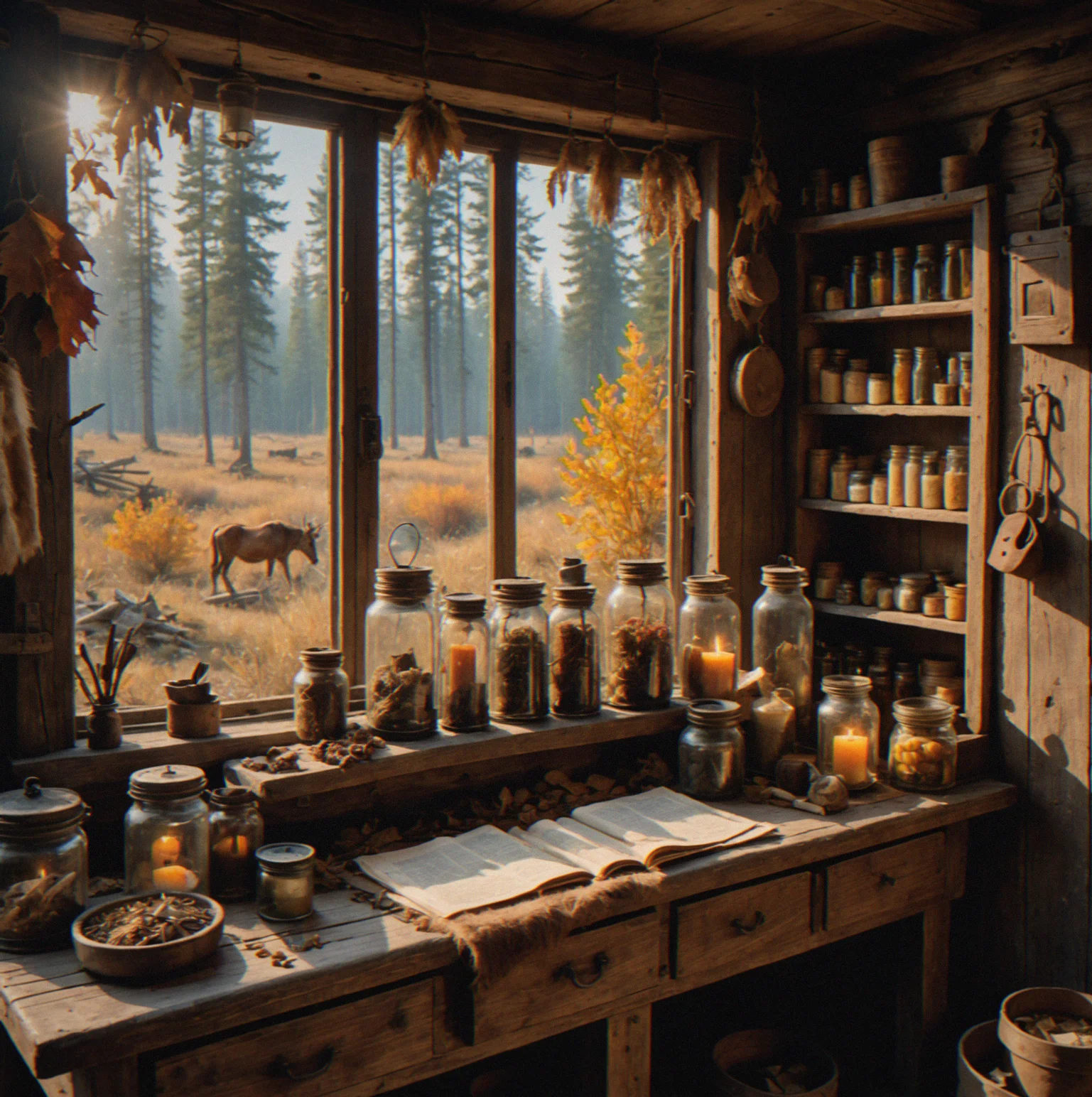
Rare pelts are expensive in autumn—around 45 gold. Winter hits and they drop to 20. Medicinal herbs? They jump about 40% when the cold arrives. You end up planning backwards from winter because it always comes, and the only edge you have is knowing it's coming.
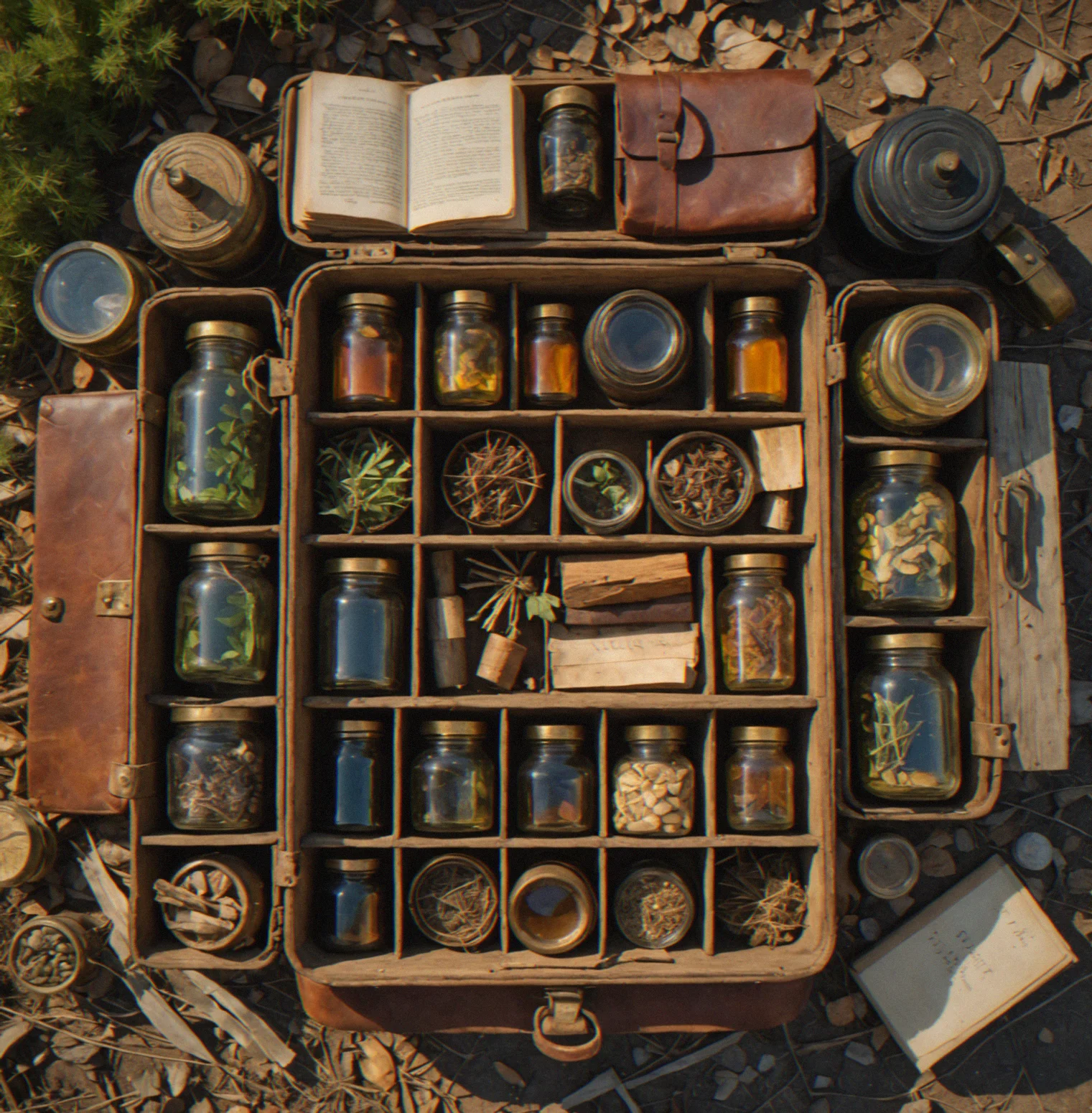
You've got 12 slots and you've found 18 things worth grabbing. That mismatch is where the actual game lives. Do you fill up on mushrooms for the winter traders or take the rare pelts that only show up once? Every choice has teeth because you can't have it all.
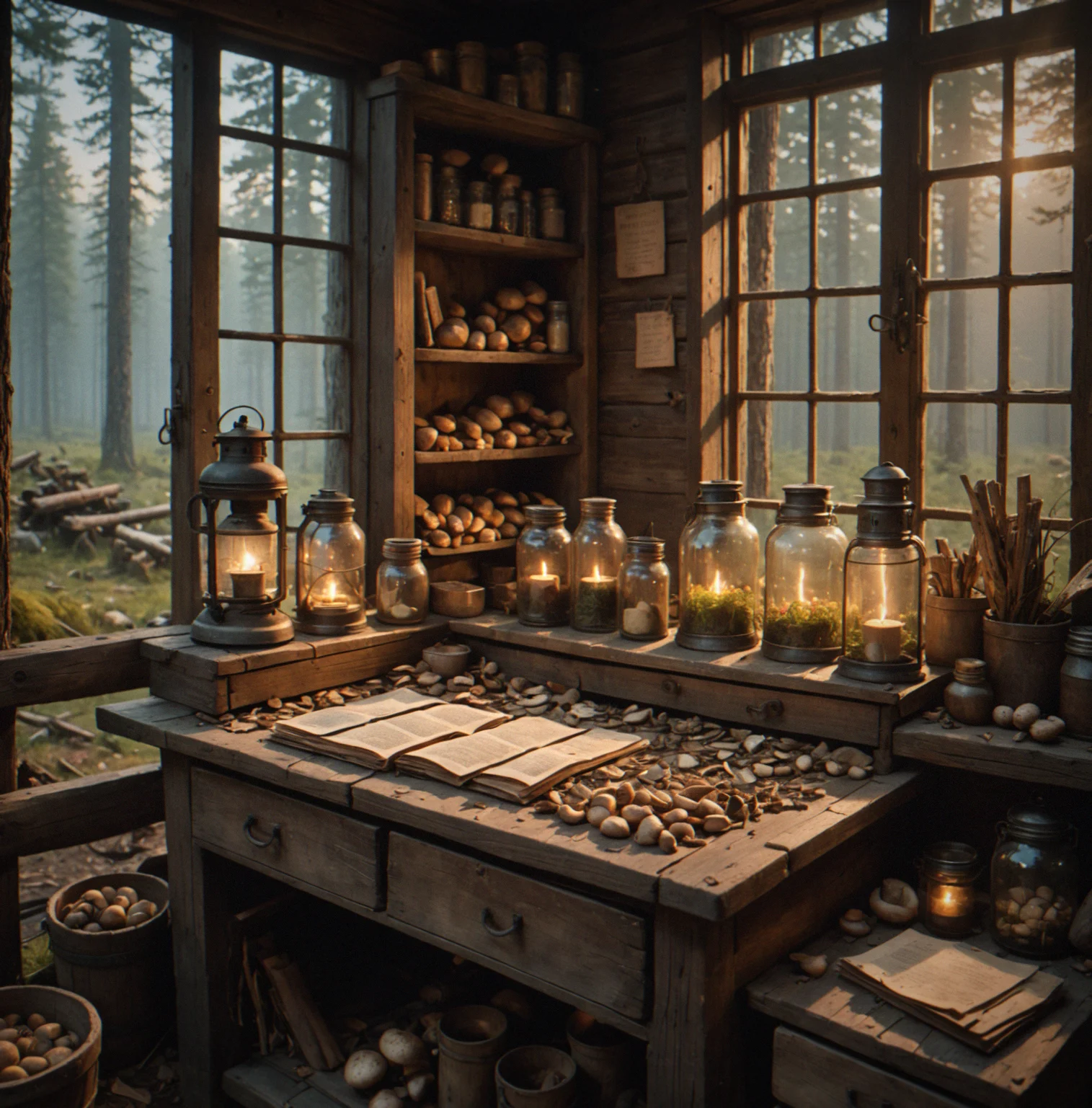
Some of these games reward you for being thoughtful about harvesting. Gather mushrooms respectfully and you'll get maybe 15% more for them. Overhunt and prices tank for months. The forest keeps track of what you do. These systems exist but nobody tells you about them—you figure them out by actually paying attention.
What makes these games tick.
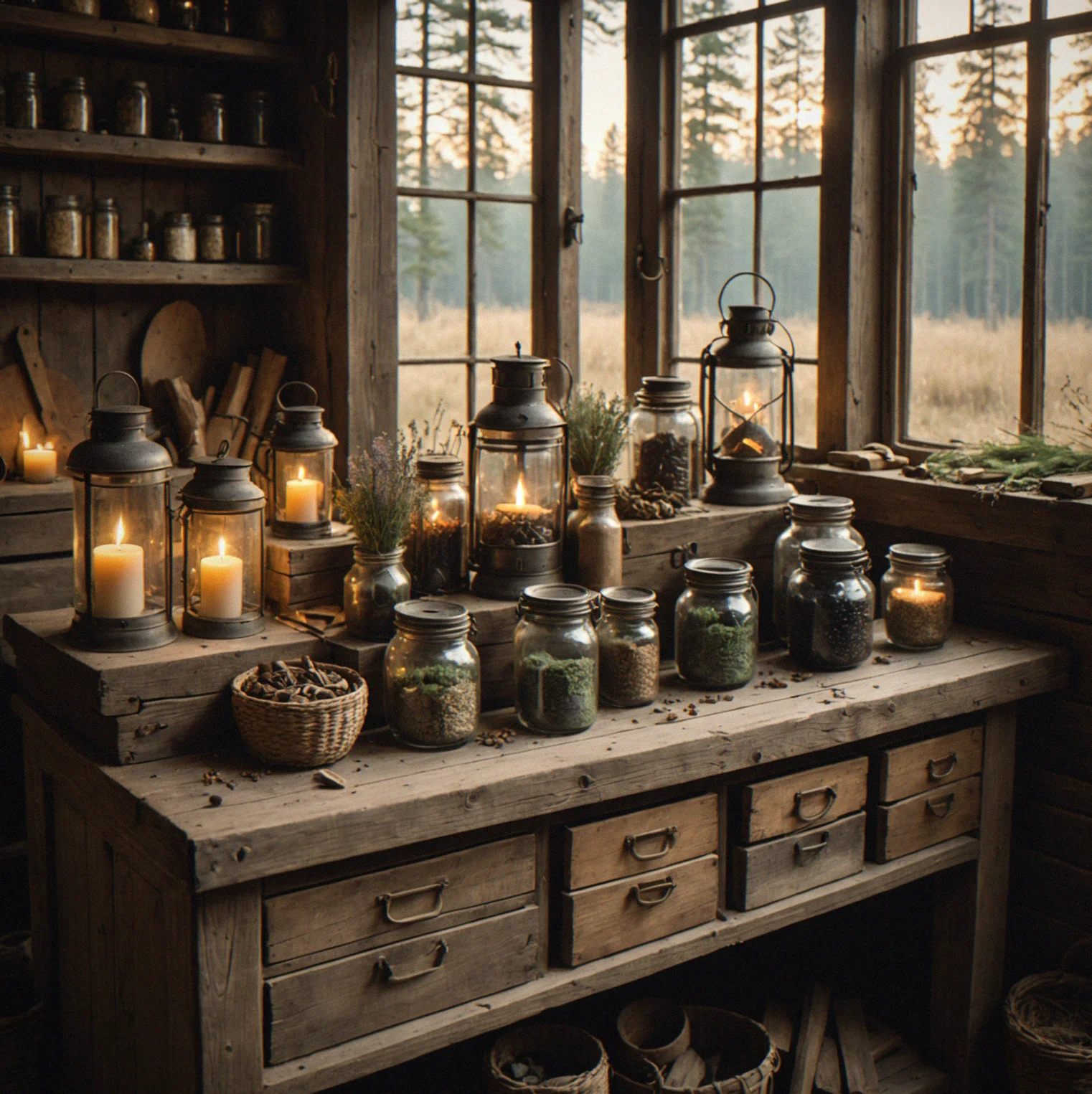
Mushrooms pop back up in the foorest every few days come spring. You'll collect around five bundles, then head to the herbalist who pays about 12 gold per bundle. But the moment you flood the market, the price tanks to something like 8 gold. So it becomes this thing where you harvest, keep an eye on what's selling and decide when to actually cash out.
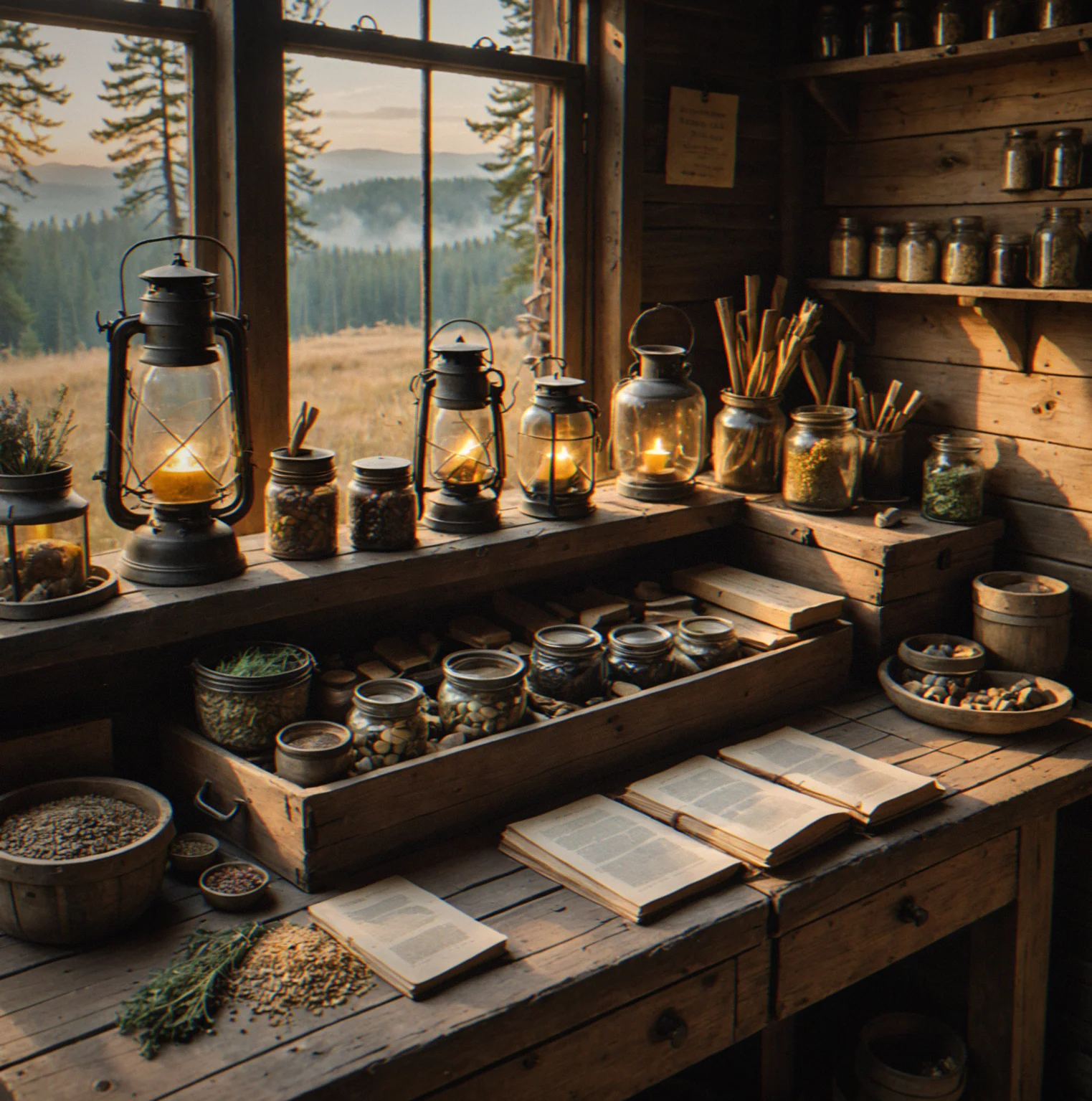
Visit the blacksmith and complete five trades. That's when the next inventory tier unlocks and you can start buying stuff that wasn't even available before. Do another five and rare materials finally start showing up in their stock. The game keeps track of everyone you've done business with, so trust actually opens up new options.
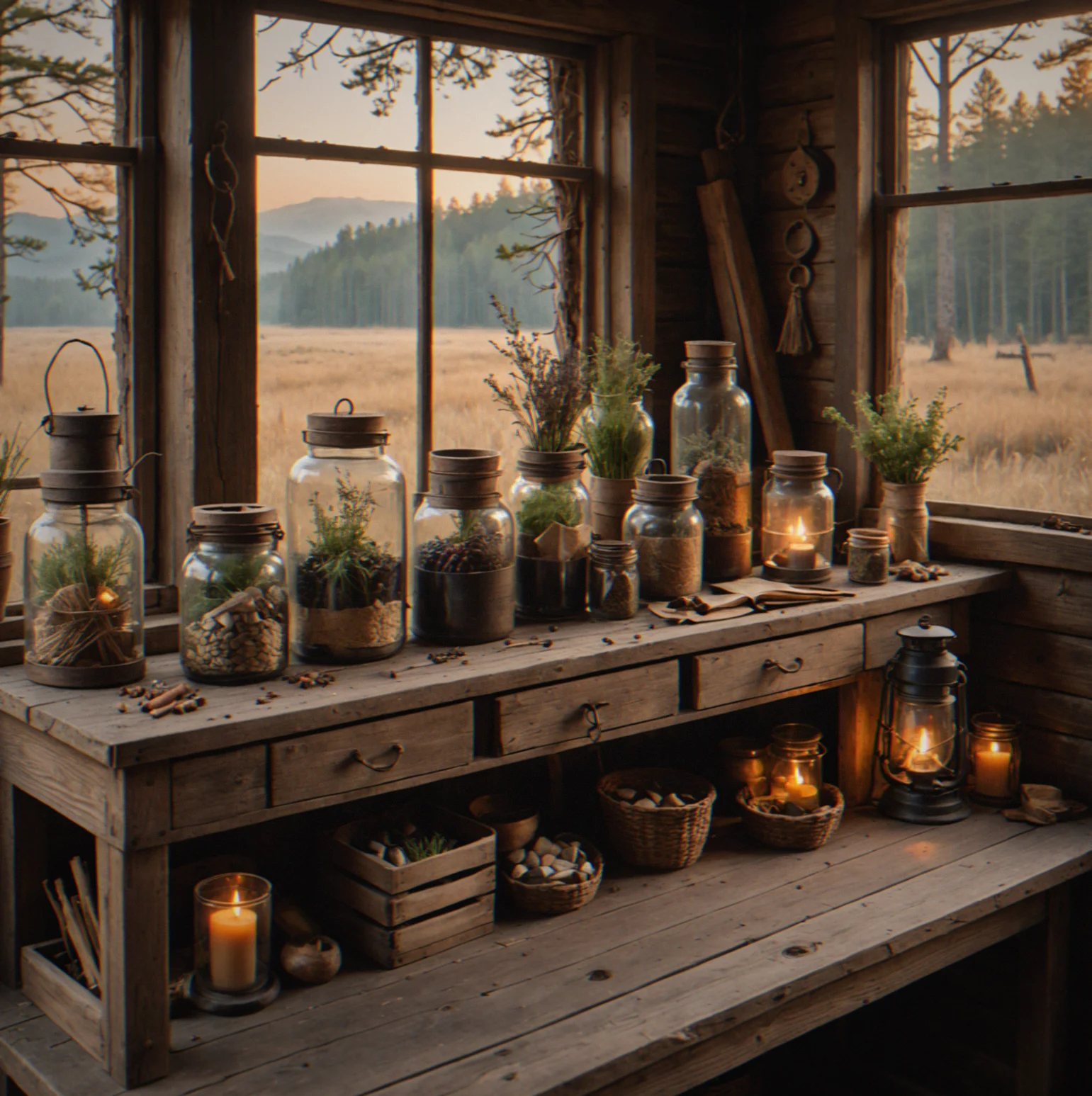
Want rare pelts? Autumn's your window and it closes fast—you've got maybe three weeks. Then there's medicinal herbs which jump in value as winter gets close, about 40% more by late fall. It's not just about managing what's in your inventory, it's about managing when things are actually available. Miss the window and you're waiting almost a year to try again.
Trading posts look straightforward until you dig into them. Here's what actually confuses people.
Play however feels right. Some people ignore seasonal windows and trade on a whim. Others plan the whole year backwards to squeeze out every profit point. The systems don't care which one you pick. Casual play won't get penalized—strategic play just gives you better margins and faster NPC unlocks.
Around five trades. You can hit tier two in a couple game weeks if you're selling mushrooms early and herbs a week later. Sporadic sales? Could take a month. The game moves at your pace.
Sell to whoever you want. The blacksmith won't care that you're also trading with the herbalist. Where it gets tricky is market saturation. Dump mushrooms across three vendors in one day and they all drop prices. Space things out and you keep the rates higher.
Nope. Rare pelts come around every autumn. Miss this year's batch and you're waiting nine months. That's the system working as intended—scarcity makees you plan ahead. It's not cruel though. You can still move forward with other trades.
It's the whole point. A 12-slot inventory means you can't grab everything worth grabbing, so you actually have to choose. Take mushrooms now or wait for rare pelts that show up once a season? That friction is what makes the game work.
Yeah, probably. Some vendors hide in specific spots during late-season dusk hours. Others have rare items locked behind relationship thresholds you won't reach unless you're actively trading. Poking around gets rewarded.